
A single unpatched vulnerability caused over $4 billion in global damages last year. This fact alone shows why organizations desperately need skilled security professionals. They rely on experts to find weaknesses before attackers do.
I started my journey in this field over a decade ago. Back then, finding system flaws was a much more manual process. Today, the landscape has evolved dramatically. Modern security assessments blend human expertise with powerful technology.
This guide will walk you through the essential tools and systematic processes used by professionals. We will cover everything from reconnaissance to reporting. I will share insights from real-world engagements to illustrate key concepts.
Whether you are an experienced pro refining your approach or new to the field, this article is for you. We will explore ethical considerations that must guide every authorized security evaluation. Understanding the right methodology is as crucial as knowing the tools.
Click here to have a conversation with a penetration testing expert
Key Takeaways
- A single vulnerability can lead to billions in damages, highlighting the critical need for security assessments.
- The field of security evaluation has evolved from manual processes to technology-aided methodologies.
- This guide covers the essential tools and systematic processes used by professionals.
- Ethical considerations and authorized testing are foundational to all security operations.
- The content is valuable for both seasoned experts and those new to the security field.
- Real-world case studies will be used to illustrate practical applications.
Introduction: My Journey into Penetration Testing
Early in my career, I saw security assessments as a manual, almost artistic process of discovery. It was a field built on deep curiosity and meticulous attention to detail. This hands-on beginning shaped my entire approach.
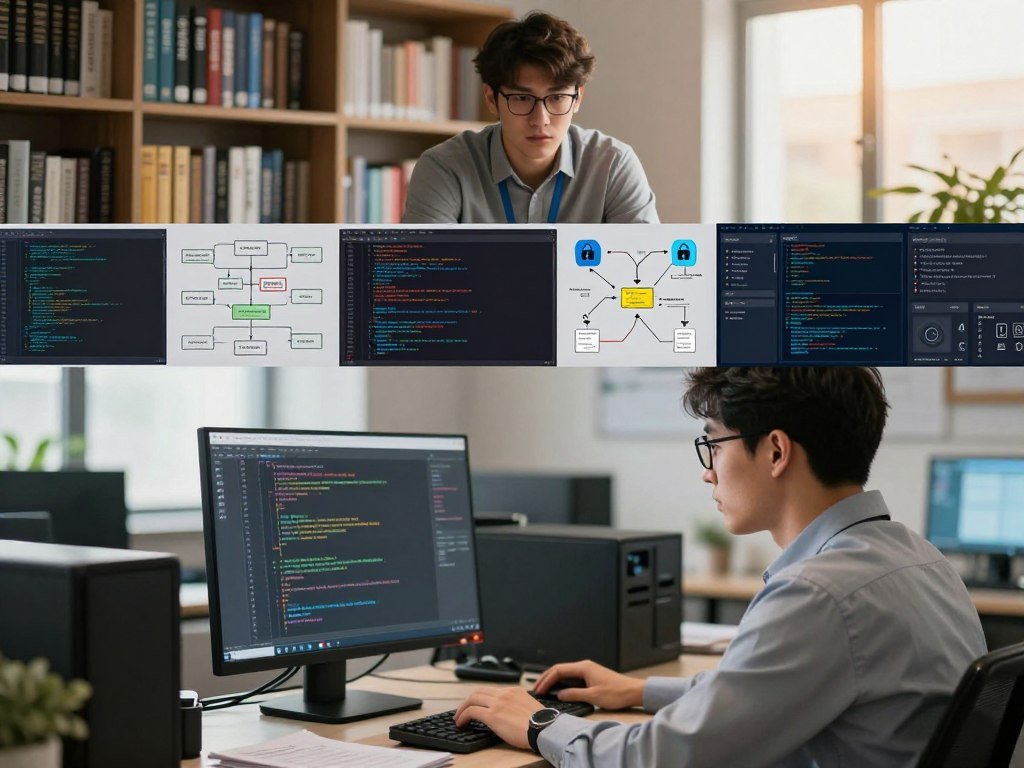
My background and motivation
I was drawn to this specialized discipline by the intellectual challenge. Finding hidden flaws before malicious actors do provides immense satisfaction. Helping organizations build stronger defenses became my core motivation.
The initial learning curve was steep. Mastering dozens of tools and complex methodologies required dedication. I quickly learned that success hinges on both technical skills and creative problem-solving.
The evolution of security testing
The early days involved significant manual effort. We juggled multiple terminal sessions and struggled with complex command syntax. Context switching between tasks was a constant challenge.
Traditional workflows presented several hurdles:
- Spending hours formatting findings into readable reports.
- Junior analysts sometimes missing critical steps due to knowledge gaps.
- The entire process being incredibly time-consuming.
Today, the landscape has transformed. The rise of DevSecOps demands faster, more scalable approaches. Modern pen testing now blends human expertise with powerful automation, enhancing the work of professionals everywhere.
Click here to have a conversation with a penetration testing expert
Understanding the Penetration Testing Process
The initial phase of any security assessment involves understanding the target environment. I follow a systematic approach that mirrors how real attackers operate.
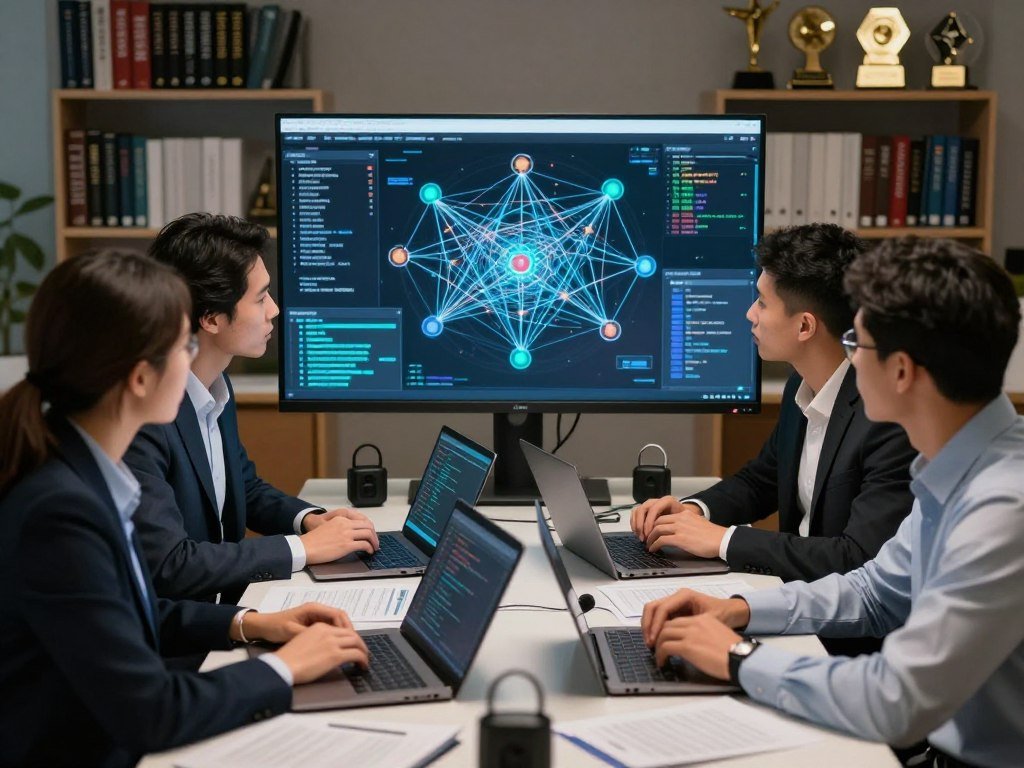
Each step builds on the previous one. This creates a logical flow from discovery to demonstration.
Reconnaissance and information gathering
I start by collecting as much data as possible about the target. This includes public records, domain details, and system documentation.
The scope can range from simple research to extensive network analysis. Every piece of information helps map the attack surface.
Scanning and vulnerability identification
Next, I use specialized tools to examine the system for weaknesses. The reconnaissance findings guide my tool selection.
I look for open services, application issues, and known vulnerabilities. My approach adapts as new information emerges.
| Phase | Purpose | Key Activities |
|---|---|---|
| Reconnaissance | Information Collection | Public research, domain analysis, network mapping |
| Scanning | Vulnerability Discovery | Tool-based examination, service identification, weakness detection |
| Gaining Access | System Entry | Exploitation, technique application, access achievement |
| Maintaining Access | Objective Completion | Persistence, data handling, impact demonstration |
The final phases involve exploiting found weaknesses and demonstrating potential impact. Throughout the process, I document all findings for the final report.
Penetration Testing: Essential Tools & Techniques
Building an effective security assessment strategy requires mastering a diverse set of specialized tools that work together seamlessly. I organize my toolkit into five logical categories that mirror the assessment lifecycle.
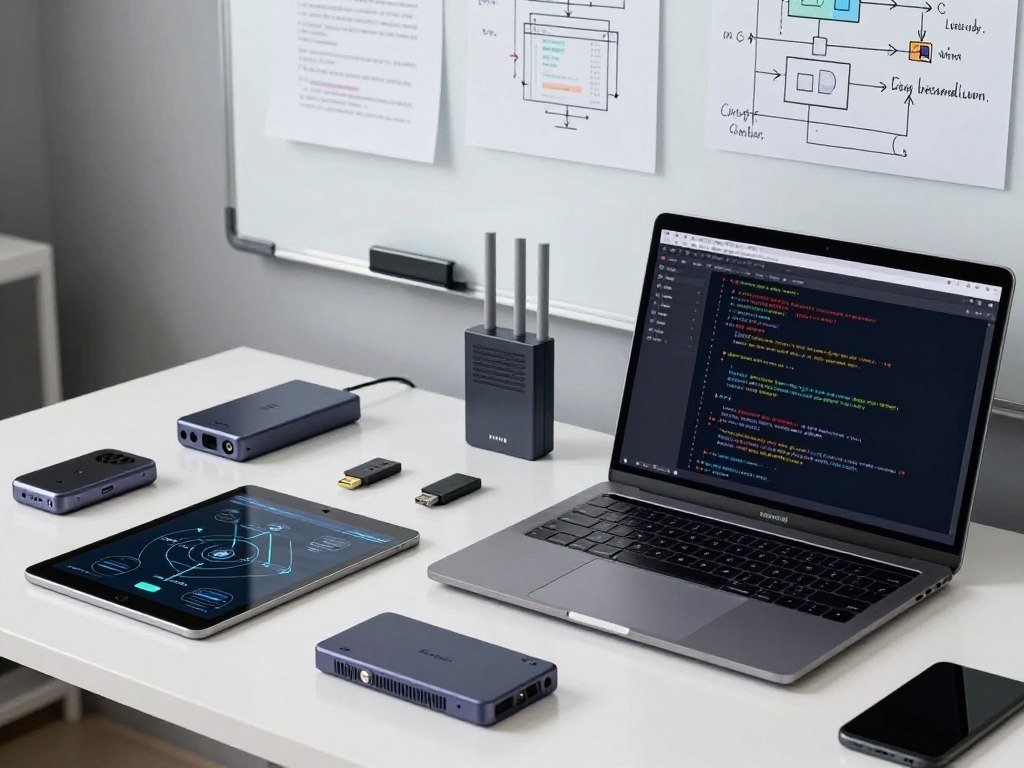
Each category serves a distinct purpose in the evaluation process. The right combination transforms basic checks into comprehensive security analysis.
Overview of classic security tools
Reconnaissance instruments like nmap help me discover network hosts and open ports. These tools provide the initial mapping of the target environment.
Vulnerability scanners automate the discovery of known weaknesses across services and applications. Proxy tools allow me to intercept and analyze web traffic patterns.
Classic utilities remain essential in my workflow. Tools like curl for HTTP analysis and netcat for connectivity testing form the foundation of every assessment.
Click here to have a conversation with a penetration testing expert
Key functionalities for effective tests
The real power comes from understanding how to orchestrate multiple tools together. Customizable scan parameters and flexible output formats enable deep analysis.
Effective security professionals know that integration capabilities matter most. Tools that work well together create a complete picture of the target’s defensive posture.
This orchestration approach helps testers identify critical flaws that individual tools might miss. The combination of specialized instruments delivers comprehensive security insights.
Embracing AI & Automation in Security Testing
I recently discovered that natural language commands can now orchestrate complex security assessments that previously required extensive manual effort. This breakthrough represents a fundamental shift in how security professionals approach their work.
How conversational AI transforms workflow
My current setup uses Claude Desktop connected to a Kali Linux MCP server. Instead of memorizing command syntax, I simply describe what I need to accomplish. The AI understands security context and chains tools together logically.
This approach eliminates the need to juggle multiple terminal windows. The system handles background job management for long-running scans. It also parses output into structured results automatically.
Junior analysts benefit tremendously from this methodology. They see proper tool selection and workflow in action. This provides real-time knowledge transfer during actual security engagements.
Integrating AI with traditional methods
AI doesn’t replace traditional security tools but rather orchestrates them more efficiently. I still rely on the same proven instruments for vulnerability detection and analysis.
The technology augments human expertise rather than replacing it. I focus on critical thinking and strategic analysis while the AI handles tedious execution tasks. This combination delivers both speed and depth.
Experienced professionals maintain creative control over the assessment process. The AI serves as an intelligent assistant that understands security terminology and reasoning.
Traditional vs. AI-Assisted Penetration Testing
The debate between human-driven and technology-assisted security analysis reveals complementary capabilities. Each approach brings unique strengths to security evaluations.
Comparative benefits and limitations
Manual security assessments excel at uncovering vulnerabilities beyond standard lists. Testers can identify business logic flaws that automated tools often miss. This includes complex data validation and integrity checks.
Human experts think like adversaries, analyzing systems creatively. They target attacks in ways scripted routines cannot replicate. This approach frequently identifies false positives from automated scans.
Automated tools generate results faster with fewer specialized professionals. They track findings automatically and export to reporting platforms. These tests produce consistent, reproducible results across multiple runs.
| Approach | Key Strengths | Primary Limitations |
|---|---|---|
| Manual Assessment | Creative problem-solving, business logic testing, false positive identification | Time-consuming, results vary by tester, requires highly skilled professionals |
| AI-Assisted Tools | Speed, consistency, automated reporting, reduced staffing needs | Cannot perform complex exploitation, no social engineering support, limited zero-day discovery |
AI accelerates known vulnerability scanning but doesn’t replace human creativity. It amplifies existing skills rather than replacing security judgment. Complex authenticated scanning still requires manual session management.
The most effective strategy combines both approaches. Human expertise guides AI tools for comprehensive security analysis. This partnership delivers both depth and efficiency.
Real-World Assessment: A Detailed Case Study
A recent engagement demonstrated how AI orchestration can transform traditional security assessment workflows. I evaluated a modern web application using conversational commands instead of manual tool execution.
The entire process showcased intelligent automation from start to finish. This approach delivered comprehensive results in record time.
Step-by-step process and tool orchestration
I began with reconnaissance using nmap on ports 80 and 443. The AI immediately analyzed the results, noting proper HTTPS enforcement.
Security header analysis revealed strong controls but identified CSP concerns. Directory enumeration tested 4,750 paths in under 30 seconds.
The system automatically categorized results and flagged suspicious redirects. It noticed references to port 4200, suggesting configuration issues.
Analysis of findings and corrective actions
The AI connected findings across different phases, demonstrating true contextual reasoning. It identified both strengths and vulnerabilities in the target system.
This comprehensive security evaluation took approximately 15 minutes. Traditional methods would have required 2-3 hours for the same scope.
The final report included actionable recommendations for remediation. This case study proves how AI augmentation enhances security professionals’ effectiveness.
Click here to have a conversation with a penetration testing expert
Key Vulnerabilities and Security Findings
My recent security evaluation revealed both strengths and weaknesses in the target application’s defensive posture. The assessment provided a comprehensive view of how well the system could withstand potential attacks.
I organized the findings by severity to help prioritize remediation efforts. This approach ensures the organization addresses the most critical risks first.
Identification of critical flaws
The application demonstrated solid security fundamentals with proper HTTPS enforcement. Modern security headers and secure cookie implementation showed good attention to detail.
However, I identified medium-priority issues requiring attention. The Content-Security-Policy used ‘unsafe-inline’ directives, reducing protection against cross-site scripting attacks.
Port 4200 references in redirect URLs exposed internal development information. This suggested nginx misconfiguration that could lead to data disclosure.
| Finding Type | Specific Issue | Risk Level |
|---|---|---|
| Security Controls | HTTPS enforcement, secure headers, cookie flags | Strong |
| Content Policy | CSP ‘unsafe-inline’ directives | Medium |
| Configuration | Port 4200 exposure, development environment | Medium |
| Observations | Broad domain trust, server header details | Low |
Impact on overall network and application security
Each vulnerability affects the organization’s security posture differently. The CSP issue could enable script injection attacks against users.
Development environment exposure increases the attack surface. Unauthorized access to staging systems could lead to data exploitation.
The overall risk rating remains LOW-MEDIUM. The application has room for improvement in access control implementation and policy hardening.
Improving Compliance and Reporting Methods
The final report represents the most critical deliverable in any security assessment, bridging technical findings with organizational priorities. I’ve refined my documentation approach to serve diverse stakeholders effectively.
Reporting techniques and documentation
My current methodology uses AI-assisted tools to generate comprehensive security reports automatically. These systems maintain detailed analysis while streamlining the documentation process.
Effective reports include executive summaries with risk ratings for business leaders. Technical teams receive detailed findings with CVSS-style severity ratings. Development teams get prioritized remediation recommendations.
This multi-audience approach ensures everyone understands the security posture. Business executives see risk in terms of potential impact. Technical staff receive actionable guidance for fixes.
Mapping tests to standards
I systematically map findings to compliance frameworks like OWASP Top 10 and PCI DSS. This demonstrates due diligence to auditors and regulators.
Regulations such as HIPAA and GDPR mandate periodic security evaluations. Comprehensive documentation supports compliance certifications and audit requirements.
The mapping process shows how vulnerabilities affect specific regulatory controls. This helps organizations prioritize remediation based on compliance needs.
| Compliance Standard | Testing Requirement | Security Controls Assessed |
|---|---|---|
| PCI DSS | Annual penetration tests | Network segmentation, access controls, vulnerability management |
| HIPAA | Regular security assessments | Data protection, access auditing, risk analysis |
| GDPR | Data protection impact assessments | Privacy controls, breach detection, data minimization |
| OWASP Top 10 | Application security testing | Injection prevention, authentication, security misconfigurations |
This structured approach provides both qualitative insights and quantitative data. Management can make informed decisions about security budget allocation and risk acceptance.
Best Practices for Setting Up Your Testing Environment
Creating an isolated testing space ensures accurate results without production risks. I always begin with proper authorization and clear scope documentation. This foundation prevents legal issues and keeps the team focused.
Prerequisites and technical setup
My basic requirements include Claude Desktop access and Docker for container management. A Kali Linux MCP server provides the security tools infrastructure. Team members need fundamental knowledge of assessment concepts.
The quick start process begins with cloning the repository. Building the container comes next using docker build commands. Running the server on port 3000 establishes the connection point.
Tool configuration and Docker integration
Configuration involves adding MCP server details to Claude Desktop settings. This bridge enables conversational commands to trigger security scans. The setup creates a seamless workflow between AI and traditional instruments.
I categorize access levels into three distinct approaches. Opaque box simulations mimic external attackers with zero internal knowledge. Semi-opaque evaluations use limited credentials and documentation.
Transparent box assessments provide full system access including source code. This method delivers the highest assurance in the shortest time. The choice depends on organizational goals and risk tolerance.
Isolation remains critical throughout environment preparation. Network segmentation prevents accidental production system interference. Proper authorization documents must be signed before any scans begin.
Challenges and Ethical Considerations
Legal authorization forms the foundation of every legitimate security evaluation I conduct. Without proper written consent, even well-intentioned assessments can cross legal boundaries.
I’ve learned that ethical conduct matters as much as technical skill. The goal is always to strengthen defenses, not demonstrate prowess.
Common pitfalls and limitations
Scope creep remains a frequent challenge. Teams sometimes accidentally test beyond authorized systems. This can disrupt business services.
Another issue involves overly aggressive scanning techniques. These can impact production environments. Proper throttling controls are essential.
Current approaches have clear limitations. AI cannot handle complex exploitation requiring deep expertise. Social engineering still demands human skills.
Ensuring authorized and ethical testing practices
I follow strict protocols before any engagement. Written permission is non-negotiable. The document clearly defines scope and systems.
During assessments, I document every action. This creates reproducible results. It also provides legal protection for all parties.
Finding evidence of previous attacks requires immediate escalation. I coordinate with the organization’s incident response team. Responsible disclosure protects everyone involved.
Ethical considerations guide every decision. The work exists to help organizations improve their security posture.
Conclusion
The evolution of security assessment tools has fundamentally reshaped how professionals approach vulnerability discovery. My journey demonstrates that AI collaboration enhances rather than replaces human expertise.
What once required hours of manual work now completes in minutes with superior consistency. The technology handles tedious execution while I focus on strategic analysis and business context.
This partnership represents the future of effective security operations. Professionals who leverage these advancements will deliver stronger protection for their organizations.
I encourage every security team to begin exploring AI-assisted workflows. Start with small automation projects and gradually expand integration.
Remember that ethical standards and proper authorization remain paramount. Our mission continues to be strengthening defenses, not demonstrating technical prowess.
The field’s future looks bright as threats grow more sophisticated. Combining human creativity with AI efficiency creates an unbeatable combination for organizational protection.