

Did you know that over 60% of data breaches result from unaddressed security gaps that organizations didn’t even know existed? This startling statistic reveals why proactive security measures have become non-negotiable in today’s digital landscape.
In my experience, vulnerability assessment has transformed from an optional checklist item to a cornerstone of robust cybersecurity. As threats grow more sophisticated, I’ve found that identifying weaknesses before attackers can exploit them is the difference between a minor security event and a catastrophic breach.
Regular security scanning provides my organization with significant advantages beyond just threat prevention. It strengthens our overall security posture, reduces the risk of data loss, and ensures we meet compliance requirements. This proactive approach differs fundamentally from reactive security measures that only respond after damage occurs.
Throughout this guide, I’ll share how systematic vulnerability evaluation has become a fundamental component of my cybersecurity strategy. I’ll walk you through the processes, tools, and implementation strategies that have proven effective in my organization.
Click here to talk to the vulnerability testing expert
Key Takeaways
- Proactive security scanning identifies weaknesses before attackers can exploit them
- Regular assessments significantly reduce the risk of data breaches
- Systematic evaluation improves overall organizational security posture
- This approach helps maintain compliance with industry regulations
- Vulnerability assessment differs from reactive security measures
- Effective programs require integration into broader cybersecurity strategy
- Implementation follows proven processes and specialized tools
Introduction to Vulnerability Testing
Modern cybersecurity requires constant vigilance against evolving threats that target organizational weaknesses. I’ve witnessed firsthand how quickly the digital landscape changes, creating new challenges for protection.
My perspective on cybersecurity challenges
The sophistication of cyber attacks continues to grow at an alarming rate. Attackers constantly develop new methods to exploit security gaps in systems and networks.
This evolving threat landscape means traditional security measures often fall short. Organizations must adapt their approaches to stay ahead of potential breaches.
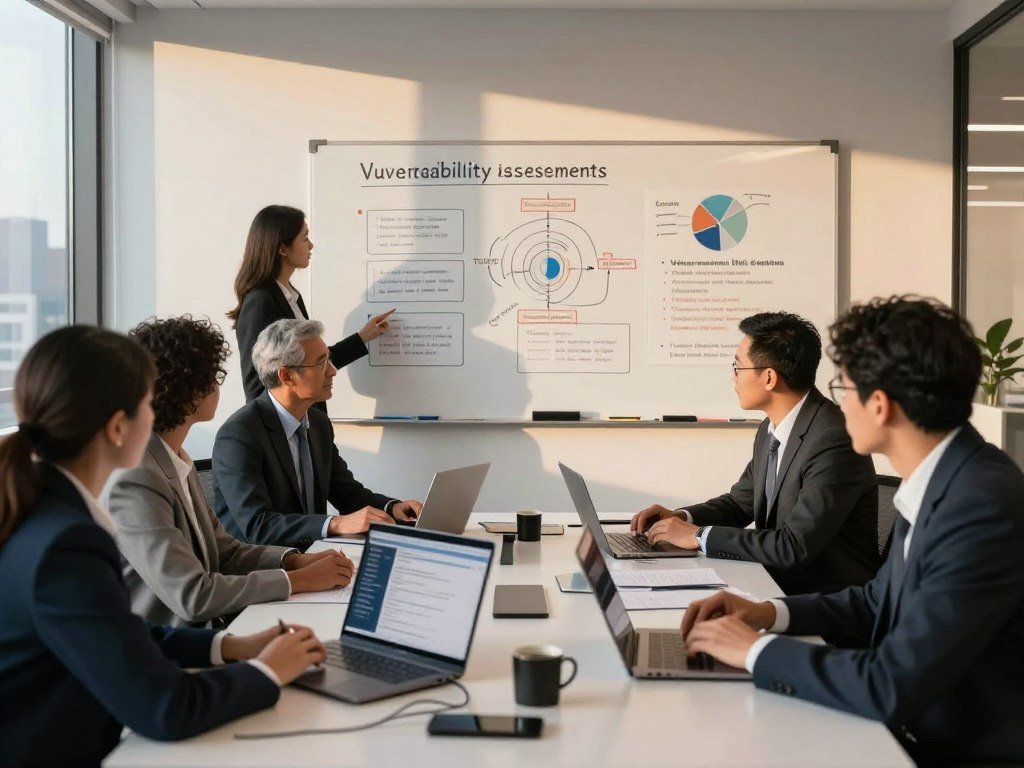
Why I prioritize testing in my organization
Click here to talk to the vulnerability testing expert
After seeing the devastating impacts of security incidents, I made systematic evaluation a top priority. Financial losses and reputational damage can cripple businesses.
This proactive approach helps me identify weaknesses before they become problems. It’s far more effective to discover issues through controlled assessment than during an actual incident.
Regular security checks provide crucial insights into our overall protection posture. They allow me to prioritize risks based on potential impact and likelihood of exploitation.
Understanding the Key Benefits of Vulnerability Testing
The strategic value of identifying security gaps extends far beyond simple threat detection. In my experience, this process delivers tangible advantages that strengthen our entire organization’s protection framework.
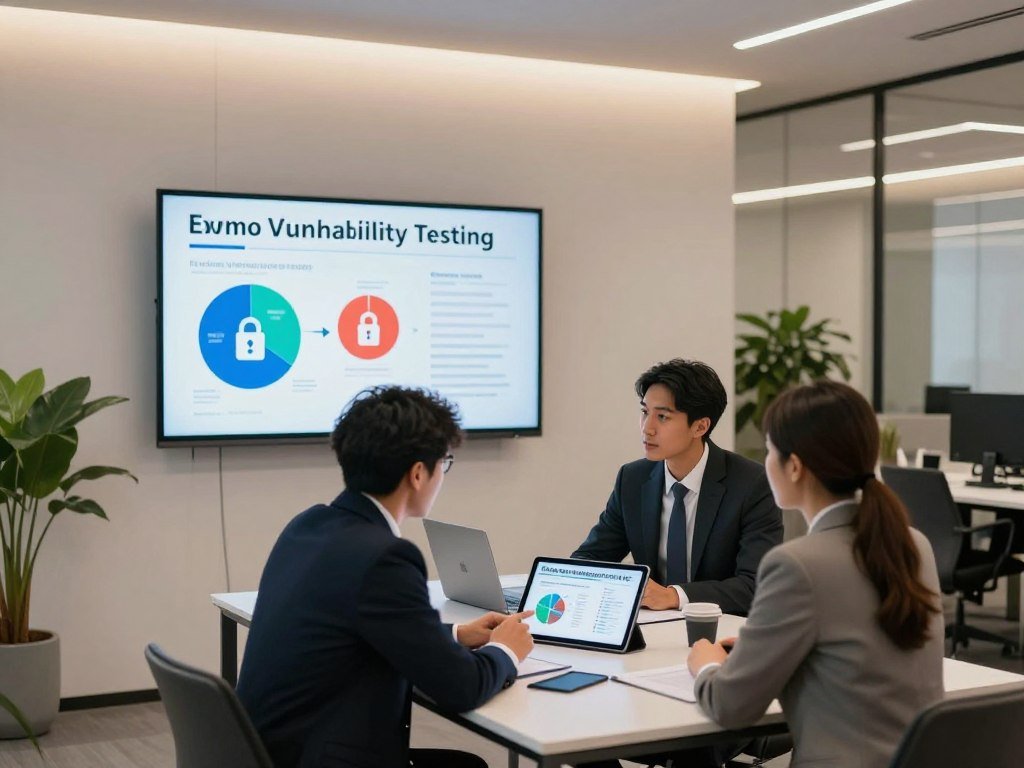
Regular assessments have become fundamental to maintaining robust digital defenses against evolving threats.
Enhancing System Security
My team systematically uncovers security weaknesses across our networks and applications. This allows us to address potential entry points before attackers can exploit them.
We’ve significantly reduced our attack surface by identifying unnecessary exposure points. This proactive approach prevents unauthorized access and strengthens our overall security posture.
The process also reveals design flaws in operating systems and software. These insights help us build more reliable systems from the ground up.
Proactive Risk Management
Vulnerability testing provides actionable intelligence for prioritizing security issues. I can allocate resources effectively based on severity and potential impact.
This methodology supports continuous visibility into emerging risks. We address problems before they become serious threats to our operations.
Our password policies and authentication mechanisms have improved dramatically. Regular validation ensures they remain strong against determined attacks.
| Security Approach | Primary Focus | Business Impact | Resource Allocation |
|---|---|---|---|
| Reactive Security | Incident Response | Damage Control | Emergency Funding |
| Proactive Testing | Prevention | Risk Reduction | Strategic Investment |
| Continuous Assessment | Improvement | Business Continuity | Scheduled Budget |
The comprehensive benefits extend across technical and organizational dimensions. This practice has become indispensable for modern security management.
Vulnerability Testing Process
My organization follows a systematic framework for uncovering potential security issues across our digital infrastructure. This structured approach ensures we methodically address all areas of concern.

The initial phase involves careful preparation to maximize effectiveness. We document system requirements and define what needs examination across our entire network.
Planning and information gathering
Click here to talk to the vulnerability testing expert
I determine whether we need data-based assessment to secure sensitive information. Network-based examination protects our communication channels, while operating system-based analysis addresses platform-specific concerns.
Defining scope is critical for our process. Black box methodology simulates external attackers with no internal knowledge. Grey box provides balanced insight with partial system information. White box offers complete visibility into internal design.
Information collection covers potential issues across network infrastructure and operating systems. We gather data on access controls and known attack vectors that could exploit our systems.
Identifying and prioritizing security weaknesses
My team writes detailed test cases covering all possible scenarios. This ensures no area of our application or system goes unexamined during the assessment.
We use specialized scanners to automate identification of unsecured areas. This significantly speeds up discovery while maintaining thoroughness across target systems.
Prioritizing identified concerns by severity levels (low, medium, high) helps focus remediation efforts. We address weaknesses posing the greatest risk to our organization first.
Tools and Techniques for Effective Vulnerability Testing
My security arsenal includes specialized tools that automate threat detection while maintaining human oversight. This balanced approach ensures comprehensive coverage across all potential entry points.
I utilize five main scanner types in my assessment program. Host-based tools examine workstations and operating systems. Network-based scanners protect wired and wireless infrastructure. Database scanners secure sensitive data repositories.
Automated scanners vs. manual testing
Automated tools provide speed and broad coverage, identifying common security gaps quickly. Manual techniques add crucial human insight for complex logic flaws. I combine both methods for optimal results.
Application scanners specifically target web and software weaknesses. Wireless tools complete my coverage by securing network applications. This multi-layered approach addresses different attack surfaces effectively.
Leveraging advanced testing tools
Intruder gives me continuous scanning with instant alerts for new threats. Acunetix detects thousands of security issues using advanced technology. Both tools automatically prioritize risks based on potential impact.
Specialized scanners like Frontline fix certain problems with single-click solutions. Nexus offers a straightforward three-step process for component analysis. These tools handle modern web applications that traditional scanners often miss.
My preferred website scanner minimizes false positives through out-of-band detection. It provides documented evidence including HTTP data and screenshots. Benchmark tests show 98% detection accuracy against known security gaps.
Integrating Vulnerability Testing into My Cybersecurity Strategy
The true power of security evaluation emerges when it becomes an integrated component rather than a standalone activity. I’ve woven this process directly into my organization’s core operations, ensuring insights from security assessment inform every protection decision.
Aligning testing with compliance requirements
Regular security checks demonstrate ongoing diligence to auditors for standards like PCI-DSS and HIPAA. This systematic approach helps my organization maintain compliance while strengthening our overall security posture.
I schedule assessments based on regulatory needs and system criticality. This ensures we meet all requirements without overwhelming our infrastructure.
Implementing continuous monitoring
Automated scanning runs on flexible schedules across our entire network. Daily checks protect critical web applications, while weekly reviews cover less sensitive systems.
Instant alerts notify my team via email and Slack when new issues emerge. This rapid response capability prevents attackers from exploiting weaknesses in our software.
REST API integration embeds security evaluation directly into our CI/CD pipelines. Every application update undergoes automatic assessment before deployment.
VPN Agent technology lets me scan internal systems behind firewalls safely. This maintains comprehensive coverage without exposing sensitive network assets.
Continuous monitoring provides real-time visibility into our evolving attack surface. This helps me prioritize remediation efforts where they’ll have the greatest impact on our security management.
Comparing Vulnerability Testing with Penetration Testing
The relationship between broad security scanning and focused attack simulation represents one of the most important distinctions in modern protection programs. Many organizations struggle to understand when each approach delivers maximum value.
Differences in scope and methodologies
In my security framework, I treat these as complementary rather than competing approaches. Automated scanning provides comprehensive coverage across all my web applications and network systems.
Penetration assessment involves skilled ethical hackers manually exploiting specific weaknesses. This hands-on approach demonstrates real-world attack scenarios that automated tools might miss.
The scope differs significantly between these security methods. One offers broad visibility while the other delivers deep exploitation analysis of target systems.
Click here to talk to the vulnerability testing expert
When to choose one approach over the other
I deploy automated scanning monthly for routine security checks across thousands of assets. This cost-effective approach works well for early-stage security planning and limited budgets.
Penetration exercises become my priority for regulatory compliance requirements like PCI-DSS. I also schedule them before major releases and after security incidents.
This balanced strategy ensures continuous monitoring while validating critical vulnerabilities through actual exploitation attempts. Both approaches strengthen my overall security management.
Overcoming Common Challenges in Vulnerability Testing
Even the most sophisticated vulnerability testing program faces practical challenges that can undermine its effectiveness. I’ve learned to address these hurdles systematically to maintain program integrity.
False positives represent one of my biggest frustrations in security assessment. Scanners often flag potential issues that turn out not to be actual vulnerabilities.
Managing false positives effectively
I’ve reduced false positives by 50% using advanced tools with Machine Learning Classifiers. These analyze HTML responses to filter out dead ends and repeated templates.
Out-of-band detection methods provide reliable results with documented proof. The scanner captures payload execution results and collects evidence like HTTP data and screenshots.
Automatic validation applies “Confirmed” labels to verified vulnerabilities. This allows my team to focus remediation efforts on real security flaws.
Prioritizing remediation efforts
I prioritize issues based on severity, exploitation likelihood, and business impact. This systematic approach ensures we address high-risk vulnerabilities first.
Categorizing flaws by type helps assign tasks to appropriate team members. Misconfigurations in web applications often represent quick wins for rapid remediation.
Time management balances immediate fixes with scheduled future sprints. For complex software issues, I implement temporary controls while developing comprehensive long-term solutions.
Conclusion
As I reflect on implementing systematic security evaluation across my operations, the value becomes unmistakably clear. This proactive approach has fundamentally strengthened my organization’s protection by identifying weaknesses before they become problems.
Vulnerability testing is not a one-time activity but an ongoing commitment. New vulnerabilities continuously emerge with system updates and evolving threats. Regular assessment across my infrastructure ensures I maintain visibility into potential risks.
The investment in comprehensive security tools pays significant dividends. It prevents costly incidents and maintains customer trust in my ability to protect sensitive data. I encourage every organization to adopt this practice for stronger digital defenses.